
5 Daily Micro-Habits That Build Unshakeable Resilience in Kids & Teens
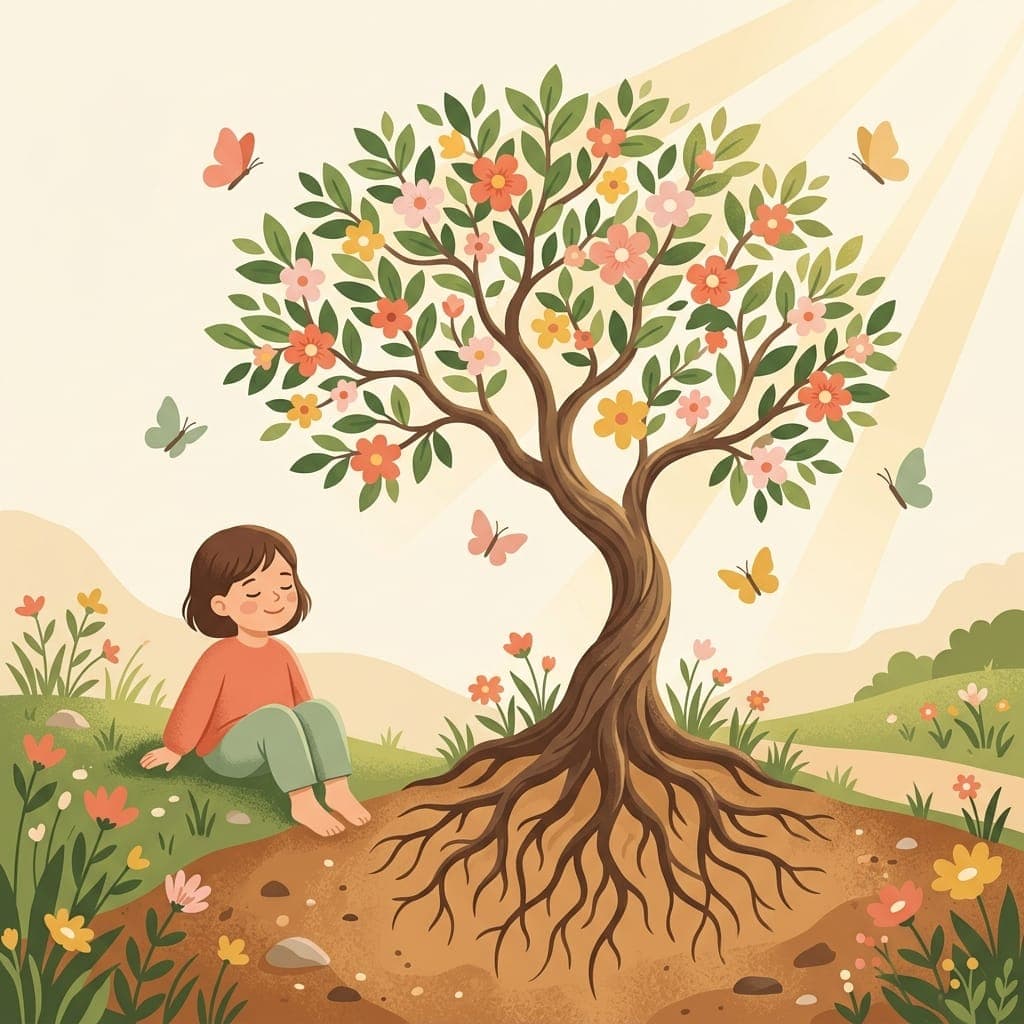
Why Resilience Is Built in Moments of Quiet, Not Just Crisis
Many people assume resilience is something you only call upon when hardship strikes. In reality, psychological resilience is cultivated every single day through micro-experiences of agency, recovery, and compassionate self-awareness.
Habit 1: The "Rose, Thorn, and Sprout" Dinner Check-In
Replace the generic "How was school?" with three intentional reflections: a Rose (something wonderful that happened), a Thorn (a challenge or frustration), and a Sprout (something you are looking forward to or learning). This normalizes struggle as a natural part of everyday life.
Habit 2: The Power of "Yet"
Whenever your child says, "I can’t do fractions" or "I am bad at soccer," gently append the magic word: "...yet." This simple linguistic shift rewires their mindset from fixed limitation to ongoing growth.
The goal of raising resilient children is not to prevent them from falling, but to give them the inner compass to know they can rise again.
Habit 3: The 30-Second Physical Grounding Reset
Teach kids the 5-4-3-2-1 sensory countdown when test anxiety or social overwhelm hits: spot 5 things they see, 4 things they can touch, 3 sounds they hear, 2 scents, and 1 slow breath.
Habit 4: Celebrating Brave Effort Over Outcomes
When we praise the final grade or winning goal, kids learn to fear failure. When we praise their perseverance, courage, and creative problem-solving, failure loses its sting and becomes valuable feedback.
Related Blogs
View all blogs →
Helping Children Understand and Manage Their Emotions
Learn five practical ways to help children understand emotions, build self-awareness and develop healthy emotional skills with Blooming Guardian.

Understanding Your Child's Emotions: A Parent's Guide to Building Emotional Intelligence
Discover practical ways to help children understand their emotions, develop emotional intelligence, and build healthy emotional connections.
Understanding Child Development: Why Early Identification and Support Matter
Learn how to notice developmental milestones, discuss concerns, and find early support for your child with confidence and compassion.